
Key Takeaways
- Many people in Ahmedabad focus only on “weight loss” and end up losing muscle instead of fat, which slows metabolism and causes weakness over time.
- This article will show you how to tell whether you are losing muscle or fat, why it matters for your health and appearance, and what to do if you are losing the wrong kind of weight.
- Healthy programs combining strength training, adequate protein, and professional options like Fat Loss Treatment in Ahmedabad can help you target fat while preserving muscle tissue.
- You will learn simple home signs of muscle loss, the ideal fat-loss pace per week, and when to seek expert support at Elieve Beauty and Wellness Clinic.
- The primary goal is not the smallest number on the scale—it’s achieving a toned, healthy body with optimal body composition.
Muscle Loss vs Fat Loss: Why the Difference Matters More Than the Scale?
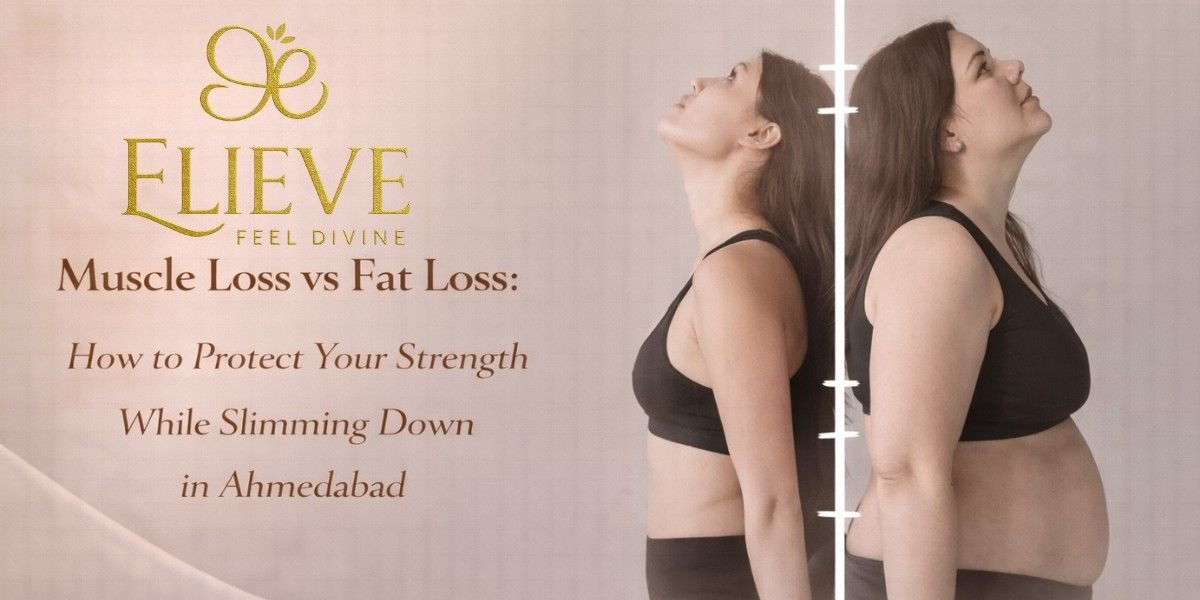
Two people in Ahmedabad can both “lose 5 kg” on the scale, yet look and feel completely different. One person might appear leaner, more toned, and full of energy. The other might look softer, feel weaker, and struggle with basic physical activities. The difference? One lost mostly body fat while the other lost valuable muscle mass.
Fat loss improves your overall health, enhances your body shape, and gives you sustained energy throughout the day. Muscle loss, on the other hand, makes you weaker, leaves your body looking softer despite the lower weight, and dramatically increases your chances of weight regain. Your metabolic rate drops significantly when you lose muscle, meaning you burn fewer calories at rest and must eat even less just to maintain your new weight.
Crash diets, extreme fasting protocols, and long hours of only cardio often cause significant muscle loss especially for office workers and busy professionals in Ahmedabad who already struggle with sedentary lifestyles. When you combine inadequate nutrition with lack of resistance training, your body has no reason to hold onto metabolically active muscle tissue.
The concept of body composition, the ratio of muscle to fat in your body, is far more important than just body weight or body mass index. Someone with a healthy body fat percentage and good muscle mass will look and perform better than someone at the same weight with high body fat and low muscle. Later sections will explain exactly how to monitor this and make adjustments to your weight loss program.
Understanding what fat actually does in the body and why losing it properly matters is your first step toward smarter weight management.
What Is Fat Loss? (And How It Changes Your Body Shape)
Fat loss refers to the gradual reduction of stored adipose tissue when your body maintains a moderate calorie deficit over time. Unlike rapid weight loss from water or muscle, true fat reduction happens slowly as your body breaks down triglycerides stored in fat cells and uses them for energy.
Body fat accumulates in specific areas: around the abdomen (both visceral fat surrounding organs and stubborn subcutaneous fat under the skin), on the hips, thighs, back, and arms. When you successfully lose fat, these areas shrink, revealing the muscle tissue underneath. This is why fat loss creates that toned, defined appearance that most people actually want when they say they want to “slim down.”
The health benefits of reducing excess body fat extend far beyond appearance:
- Lower risk of type 2 diabetes and insulin resistance
- Reduced blood pressure and cardiovascular strain
- Less joint pain, especially in knees and lower back
- Decreased fatty liver disease risk
- Better energy levels and improved mental health
For urban residents in Ahmedabad dealing with desk jobs, restaurant meals, and limited time for physical activities, these health improvements can be life-changing.
True fat loss typically happens at around 0.5–1 kg per week. If you see huge drops of 2–3 kg in just a few days, you are most likely losing water weight or worse, breaking down muscle rather than burning fat. Patience is essential for quality results.
Even with consistent dieting and exercise, some stubborn fat pockets (like lower belly or love handles) often remain resistant to lifestyle changes alone. These areas may respond well to non-surgical Fat Loss Treatment in Ahmedabad that uses body contouring technology to target specific fat cells.
How Does Healthy Fat Loss Actually Work?
When you consistently burn more calories than you eat, your body gradually taps into stored body fat for energy. This process does not happen overnight your body prefers to use immediately available fuel first before accessing fat stores.
Fat cells do not “disappear” when you lose weight. Instead, they shrink as the triglycerides inside them are broken down and released into the bloodstream to be used as fuel. This is why sustainable fat reduction takes weeks and months, not days. The cells remain in place but become smaller, which is why maintaining a healthy diet and lifestyle after reaching your goals prevents them from refilling.
Balanced meals play a crucial role in this process:
| Nutrient | Role in Fat Loss | Good Sources |
| Protein | Preserves muscle, increases satiety | Paneer, eggs, chicken, lentils, Greek yogurt |
| Fibre | Keeps you full longer, supports digestion | Vegetables, whole grains, legumes |
| Healthy Fats | Hormone balance, nutrient absorption | Nuts, seeds, olive oil, avocado |
The key is staying in a mild calorie deficit—around 20% below your maintenance needs—while ensuring adequate protein intake. This approach allows your body to prioritise fat burning while holding onto valuable muscle tissue.
Combining nutrition with resistance training sends a powerful signal to your body: “Keep the muscle, burn the fat.” Without that mechanical loading on your muscles, your body sees no reason to maintain them during an energy shortage.
If fat loss is beneficial and achievable, why is muscle loss such a serious problem that deserves special attention?
What Is Muscle Loss? The Hidden Cost of Crash Dieting
Muscle loss—also called muscle wasting or reduction of lean mass—refers to the decrease in the amount and quality of skeletal muscle tissue in your body. This is not just about looking less defined; it represents a fundamental shift in your body’s ability to function, burn calories, and maintain good health.
Muscle loss commonly happens when people:
- Eat too few calories (extreme calorie restriction)
- Skip protein or eat inadequate amounts
- Do only cardio without any strength training
- Remain very inactive due to desk jobs or long commutes
For professionals in Ahmedabad who spend hours at computers and then sit in traffic, this combination creates a perfect storm for losing muscle. Add in aggressive dieting—like liquid cleanses or extremely low-calorie plans—and the process accelerates dramatically.
The consequences of losing muscle extend throughout your daily life:
- Slower metabolism: Muscle is metabolically active, burning approximately 13 kcal per kg per day compared to fat’s 4.5 kcal. Lose muscle, and your metabolic rate drops.
- Easier fat regain: With fewer calories burned at rest, any return to normal eating causes rapid weight regain.
- Weaker joints and bones: Muscle supports and protects your skeletal system. Less muscle means more stress on joints.
- Poor posture: Core and back muscles hold you upright. Weakness here leads to slouching and back pain.
- Increased fatigue: Simple tasks like climbing stairs, carrying groceries, or walking become exhausting.
After age 30-35, natural muscle loss (sarcopenia) accelerates at roughly 3-5% per decade. Aggressive dieting in your 30s, 40s, or 50s essentially doubles this negative effect, fast-tracking the weakness and metabolic slowdown that normally takes decades.
Here is the reality check: any weight loss program that makes you weaker, hungrier, and more tired week by week is almost certainly causing too much muscle loss. The scale might be going down, but you are losing the wrong kind of weight.
Why Muscle Is So Valuable for Health and Appearance
Muscle tissue is metabolically active—it keeps you burning calories even when you are resting, sleeping, or sitting at your desk. This is why two people of the same weight can have vastly different calorie needs.
Consider this simple example: a person with more muscle mass can eat more food without gaining fat compared to someone of the same weight with less muscle. This is not about “faster metabolism” as a genetic gift—it is about having more tissue that requires energy to maintain.
Beyond metabolism, muscle provides essential benefits:
- Joint protection: Strong muscles absorb shock and reduce stress on knees, hips, and spine
- Bone density support: Mechanical loading from muscle activity maintains bone mineral density, reducing fracture risk
- Toned appearance: The firm, sculpted look people want comes from muscle, not from simply being lighter
- Improved posture: Core and back strength keeps you standing tall and moving confidently
The mental health and confidence benefits are equally significant. Feeling stronger, lifting heavier weights in the gym, walking longer distances on the Sabarmati Riverfront without breathlessness—these experiences build self-efficacy and well being that extend beyond physical fitness.
The true goal is not “weight loss at any cost.” It is fat loss while keeping—or even building—muscle. This distinction separates successful, sustainable transformations from the yo-yo cycle of dieting, losing muscle, and regaining fat.
Muscle Loss vs Fat Loss: How to Tell What You’re Really Losing
Your weighing scale cannot distinguish between water, fat, and muscle. It simply shows total body weight, which is why so many people celebrate “progress” that is actually harming their health. You need other clues to understand what type of weight you are really losing.
The good news is that your body gives clear signals about whether you are losing fat or muscle. By paying attention to everyday observations—at home, in the gym, and in how your clothes fit—you can self-assess before making changes to your diet or exercise plan.
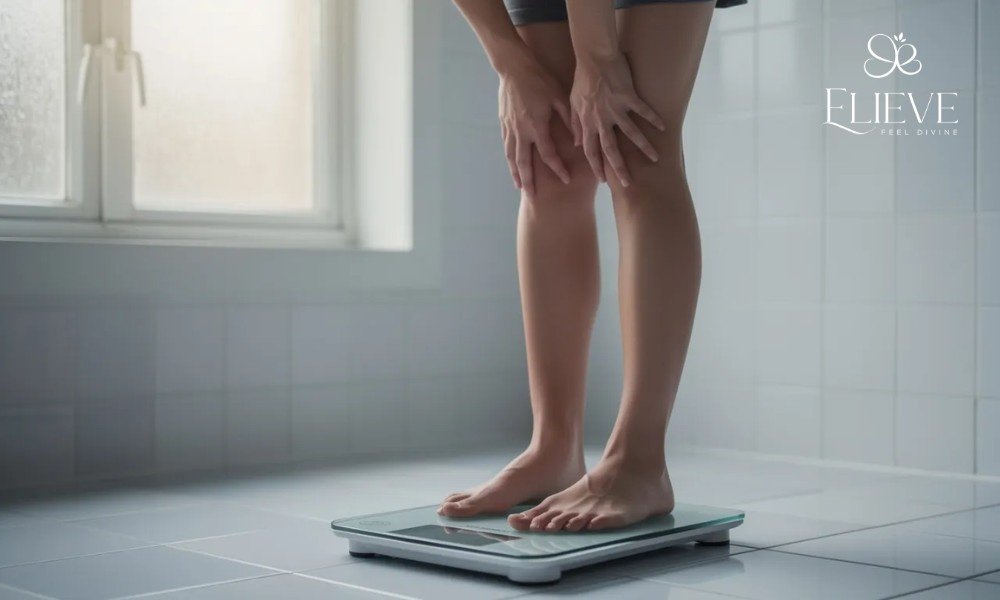
Let us examine the specific signs for each scenario so you can identify where your current approach is taking you.
Signs You Are Losing Mostly Fat
Fat loss usually feels sustainable over time and improves both how your body looks and how it performs during physical activities. Here are the everyday signs that indicate you are on the right track:
Physical changes:
- Clothes fit looser around your waist, hips, and thighs
- Visible reduction in belly rolls, back fat, or arm “wings”
- Body weight drops slowly and steadily (approximately 0.5–1 kg per week)
- Face appears slightly leaner without looking gaunt
Performance indicators:
- Equal or better strength in the gym—you can lift the same or more weight
- Ability to climb more stairs without getting winded
- Walking further on the Sabarmati Riverfront or through malls with less fatigue
- Completing workouts with consistent or improved energy
Visual tracking: Photos taken every 2–3 weeks (front, side, and back views) often show more muscle definition in shoulders, arms, and waist—even if the scale has not changed dramatically. This is body recomposition in action: fat going down while muscle stays stable.
Energy levels and mood remain stable or slightly improved when fat loss happens in a healthy way. You should not feel constantly exhausted, irritable, or unable to concentrate.
Signs You Are Losing Too Much Muscle
Rapid drops on the scale, constant tiredness, and progressive loss of strength are major red flags indicating you are losing muscle rather than fat. Pay attention to these warning signs:
Performance decline:
- Suddenly struggling with weights you previously handled easily
- Difficulty lifting grocery bags, suitcases, or other everyday loads
- Feeling exhausted after climbing just a couple of floors
- Needing more rest between sets or activities
Physical appearance changes:
- Arms and thighs feeling “softer” or “flatter” rather than firm
- Skin looking looser despite weight loss
- Less muscle definition even though body weight is down
- Overall “skinny fat” appearance
Emotional and mental signs:
- Increased irritability and mood swings
- Low mood or mild depression
- Poor concentration and mental fog
- Constant hunger that never seems satisfied
If you are losing more than 1–1.5 kg per week for several consecutive weeks—especially on a very low-calorie diet—you are almost certainly experiencing significant muscle loss alongside fat reduction.
The pace of weight loss itself provides one of the strongest hints about what you are actually losing.
Get Expert Help to Target Fat, Not Muscle
Ready to stop guessing and start seeing real results?
Book a consultation for Fat Loss Treatment in Ahmedabad at Elieve Beauty and Wellness Clinic. Our body-contouring experts can assess your current body composition and create a personalised plan that preserves your muscle while reducing stubborn fat.
Call, WhatsApp, or fill out our contact form to speak with a specialist today. We will tailor your plan based on your age, job type, fitness level, and specific goals—combining non-surgical body contouring with nutrition guidance and lifestyle advice.
Water Weight vs Muscle Loss vs Fat Loss: Understanding Fast vs Real Results
Many people in Ahmedabad see dramatic drops in weight during the first week of a new diet—sometimes 2–3 kg in just a few days. This exciting number on the scale is almost never fat loss. It is primarily water weight.
Understanding the three key components of weight change helps you interpret what is really happening:
| Component | Timeline | Impact | Reversibility |
| Water Weight | Hours to days | Short-term scale changes | Returns quickly when carbs/sodium increase |
| Muscle Loss | Weeks | Harmful—reduces metabolism and strength | Difficult to rebuild, especially with age |
| Fat Loss | Weeks to months | Desired—improves health and appearance | Sustainable with proper habits |
When you reduce carbohydrates and sodium, your body releases stored water that was bound to glycogen in muscles and the liver. This can cause 1–3 kg of “loss” in just a few days, but it is not fat reduction. As soon as you eat normally again, this water weight returns.
Glycogen depletion also explains why early nitrogen and protein losses peak in the first week of dieting, then stabilise as your body adapts. This initial phase can inflate FFM (fat-free mass) reduction numbers, making it seem like you are losing muscle faster than you actually are.
Long-term progress should be judged over 4–8 weeks, not day-to-day fluctuations on the scale. Weekly weigh-ins at the same time (morning, after bathroom, before eating) provide more reliable data than daily obsession with numbers.
This brings us to an essential question: what does healthy weight loss actually look like, and how fast should you aim to lose weight?
What Is the Right Kind of Weight Loss?
Healthy weight loss focuses on losing mostly fat while maintaining or slightly increasing muscle mass. This is the definition of “high-quality” weight loss that preserves your metabolic rate, strength, and long-term results.
For most adults in Ahmedabad, an ideal average rate is 0.5–1 kg per week. Very overweight individuals may lose slightly faster at the beginning due to higher initial fat stores (Forbes’ Rule confirms that people with more body fat lose relatively less muscle as a fraction of total weight loss), but this pace should slow as you approach a healthy weight.
Why slower is better:
- Skin quality: Gradual loss allows skin to adapt, reducing looseness
- Hormone balance: Extreme deficits disrupt thyroid, cortisol, and reproductive hormones
- Long-term maintenance: Sustainable changes create lasting habits
- Muscle preservation: Smaller deficits protect lean tissue
Here is a perspective shift that changes everything: if your clothes are looser but your weight is only mildly down—or even stable—this can still reflect successful body recomposition. You are losing fat while building or maintaining muscle, which is the optimal outcome.
The goal is not the smallest number on the scale, but the healthiest, strongest version of your body.
How to Lose Fat Without Losing Muscle: Practical Tips for Ahmedabad Residents
Combining proper nutrition, strength training, and adequate recovery is the safest way to prioritise fat loss while preserving muscle. This approach, supported by research like the CALERIE trial, consistently outperforms diet-only methods.
People with busy schedules, long office hours, and family responsibilities in Ahmedabad can still follow these strategies with simple planning. You do not need to spend hours in the gym or follow complicated meal plans.
The following strategies will help you maintain muscle mass while achieving meaningful fat reduction. Some individuals may also benefit from combining lifestyle changes with professional services like non-surgical Fat Loss Treatment in Ahmedabad for stubborn areas that resist diet and exercise.
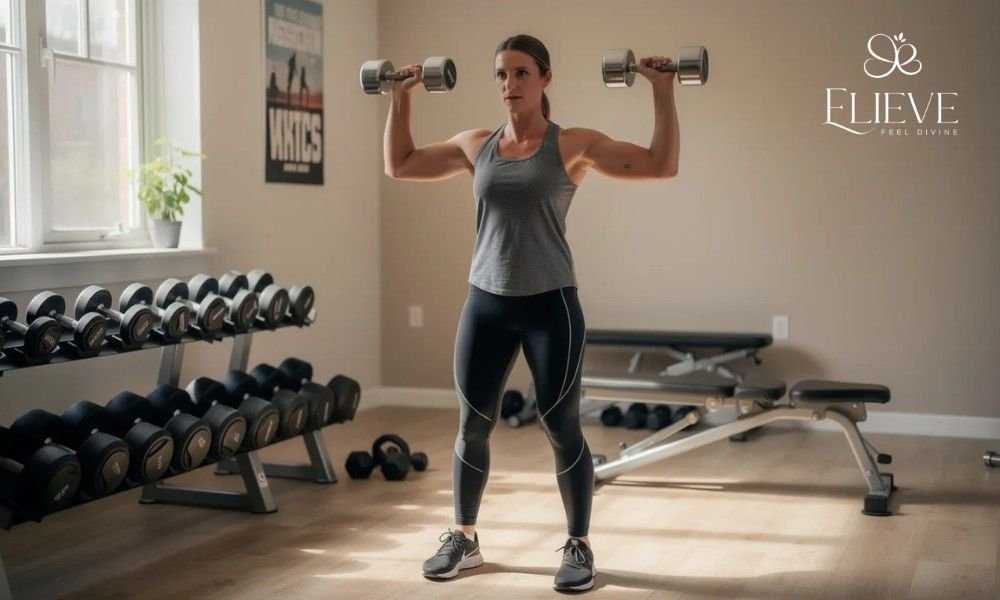
Prioritise Strength and Resistance Training
Resistance training gives your body a reason to hold onto muscle even when you are eating fewer calories. Studies consistently show that adding exercise to a calorie-restricted diet reduces muscle loss by approximately 50% compared to dieting alone.
Beginner-friendly formats that work well:
- Bodyweight workouts at home: Push-ups, squats, lunges, planks—no equipment needed
- Resistance band routines: Affordable, portable, and effective for all fitness levels
- Basic dumbbell sessions: Simple movements at a local gym in Ahmedabad or with home weights
Frequency guidelines for muscle preservation:
- Aim for 2–3 strength sessions per week
- Target all major muscle groups: legs, back, chest, shoulders, arms, and core
- Allow 48 hours between training the same muscle group
Progressive overload is the key to continued results. This means gradually increasing weight, reps, or sets over time to continue challenging your muscles. Even small progressions—an extra rep here, 2 kg more there—signal your body to maintain and build muscle tissue.
Even older adults and complete beginners can safely start light resistance training. Professional guidance helps ensure proper form and prevents injury while maximising fat-loss quality.
Eat Enough Protein and Don’t Starve Yourself
Protein is the key nutrient for muscle repair and maintenance during a calorie deficit. Without adequate protein, your body will break down muscle for amino acids needed for essential functions.
Simple protein targets:
- Aim for approximately 1.2–1.6 grams of protein per kilogram of body weight
- Spread intake across 3–4 meals rather than consuming it all at once
- Include a protein source at every meal
Common protein options available in Ahmedabad:
| Vegetarian | Non-Vegetarian |
| Paneer (18g per 100g) | Chicken breast (31g per 100g) |
| Greek yogurt (10g per 100g) | Eggs (6g per egg) |
| Lentils/Dal (9g per 100g cooked) | Fish (20-25g per 100g) |
| Chana/Chickpeas (8g per 100g) | Mutton (25g per 100g) |
| Soybean/Tofu (8g per 100g) |
Extreme low-calorie diets and liquid-only cleanses are the fastest routes to muscle breakdown. These approaches cause rapid weight loss that includes significant lean mass, followed by strong weight regain when normal eating resumes. Research shows some individuals lost 3.9 kg of lean mass despite gaining total weight because of severe negative nitrogen balance.
Encourage balanced meals combining protein with whole grains, vegetables, and healthy fats. This combination keeps you satisfied instead of constantly hungry, making your calorie deficit sustainable rather than torturous.
Control the Pace of Weight Loss
Going “too fast” is the main reason people lose muscle instead of fat. Greater caloric deficits proportionally increase the ratio of muscle loss to total weight loss—this relationship is well-established in research.
Realistic weekly targets:
- Standard goal: 0.5–1 kg per week for most adults
- Warning sign: Losing more than 1–1.5 kg per week for several weeks
- Action required: Slightly increase calories or reduce cardio volume if dropping too fast
Signs you need to slow down:
- Feeling weak during workouts
- Constant fatigue throughout the day
- Mood changes and irritability
- Losing strength on exercises you previously handled
Sustainable changes support slow, steady fat loss in Ahmedabad’s climate:
- Walk more—morning or evening walks are pleasant most of the year
- Sleep 7–8 hours for recovery and hormone balance
- Drink adequate water (especially important in summer heat)
- Manage stress through rest and relaxation
A slower journey leads to better maintenance and more attractive, toned results. The person who loses 10 kg over 4 months while strength training will look and feel dramatically better than someone who crashes 10 kg in 6 weeks through starvation.
Use Professional Support for Stubborn Areas
Even with a good diet and exercise plan, some people still struggle with localised fat on the abdomen, thighs, arms, or love handles. These stubborn areas often contain fat cells that resist normal lifestyle interventions.
Non-surgical body contouring offers a way to specifically target these resistant fat cells without cutting or significant downtime. Technologies like cryolipolysis and radiofrequency can reduce inches in specific areas while preserving the underlying muscle tissue.
Fat Loss Treatment in Ahmedabad at Elieve Beauty and Wellness Clinic provides options that complement lifestyle changes rather than replacing them. These treatments are designed to enhance your results after you have established healthy habits.
The outcome is a more sculpted, athletic look—fat reduction where you want it without sacrificing the muscle definition you have worked to build. Within a few sessions, many clients see visible improvements in problem areas.
Consulting with experts helps you determine if you are a suitable candidate based on BMI, medical history, and specific goals. Not everyone needs these treatments, but for those with genuinely stubborn subcutaneous fat, they can be the final piece of the transformation puzzle.
Relaxation and Recovery Support Your Results
Your muscles need rest to grow and recover.
Recovery, stress reduction, and proper circulation all play crucial roles in fat loss and muscle preservation. High cortisol from chronic stress can actually promote muscle breakdown and fat storage—especially around the midsection.
Consider Full Body Massage Therapy in Ahmedabad as part of your wellness routine. Massage therapy helps:
- Relax sore muscles after workouts
- Improve lymphatic system drainage
- Reduce stress hormones
- Enhance circulation for better recovery
Reach out via phone or WhatsApp to schedule a consultation or massage session at Elieve Beauty and Wellness Clinic. Your body will thank you.
When to Seek Professional Guidance for Your Weight-Loss Journey
Some signs indicate it is time to stop self-experimenting and get expert help. Trying to lose weight without proper guidance can lead to health conditions that are worse than the original problem.
Consider seeking professional guidance if you experience:
- Rapid weight fluctuations (up and down by several kg within days)
- Constant fatigue that does not improve with rest
- Menstrual irregularities in women
- Dizziness or lightheadedness, especially when standing
- Unexplained hair loss during dieting
- Muscle weakness that interferes with daily activities
People with existing health conditions should always consult a professional before aggressive weight loss:
- Thyroid disorders
- PCOS (Polycystic Ovary Syndrome)
- Type 1 or Type 2 diabetes
- Joint problems or arthritis
- Heart conditions
- History of eating disorders
Qualified specialists can assess your body composition using advanced methods, design safer calorie deficits tailored to your situation, and monitor progress to protect muscle mass. A registered dietitian or medical professional can identify nutritional gaps that might be causing problems.
The team at Elieve Beauty and Wellness Clinic offers customised plans and body-contouring options that work with your health status rather than against it. Reach out through the Contact Us page to discuss your situation.
Talk to Elieve Beauty and Wellness Clinic Today
Your transformation starts with a conversation.
Elieve Beauty and Wellness Clinic specialises in safe, evidence-based fat reduction that preserves your muscle mass and supports long-term results. Our approach combines science with personalised care.
Take action now:
- Visit our Contact Us page to book a consultation
- Connect via WhatsApp or phone for quick answers to your questions
- Ask about our Fat Loss Treatment in Ahmedabad and wellness therapies
Our experts will help design a personalised plan blending lifestyle changes, professional treatments, and recovery support to reach your goals. We focus on guided, sustainable transformation—not short-term crash results that lead to muscle loss and rebound weight gain.
Stop guessing. Start progressing. Contact Elieve today.
Conclusion: Choose Smart Fat Loss, Not Just Weight Loss
Not all weight loss is created equal. Fat loss improves your health, enhances your appearance, and gives you lasting energy. Muscle loss damages your metabolism, weakens your strength, and sets you up for frustrating weight regain. The difference between these outcomes depends entirely on your approach.
Paying attention to how you feel, how your clothes fit, and how strong you are provides far more valuable feedback than chasing extreme weekly changes on the scale. A decrease in waist measurement combined with stable or improving gym performance means you are on the right track—regardless of what the numbers say.
Three key habits form the foundation of muscle-preserving fat loss:
- Regular resistance training (2–3 sessions per week targeting major muscle groups)
- Adequate protein intake (1.2–1.6g per kg body weight from quality sources)
- Moderate calorie deficit (around 20% below maintenance for sustainable progress)
For busy individuals in Ahmedabad juggling work, family, and fitness, these habits can be implemented with proper planning and support.
Elieve Beauty and Wellness Clinic supports clients throughout this journey with personalised guidance, non-surgical Fat Loss Treatment in Ahmedabad for stubborn areas, and Full Body Massage Therapy in Ahmedabad to enhance recovery and well being.
Your next step toward a stronger, leaner, and healthier body is just one conversation away. Reach out through the Contact Us page and take control of your transformation today.

FAQs: Muscle Loss vs Fat Loss
Can I build muscle and lose fat at the same time?
Yes, this is called body recomposition, and it is possible for most people—especially beginners to resistance training or those returning after a break. The key factors are consistent strength training, adequate protein intake (approximately 1.2–1.6g per kg body weight), and a moderate calorie deficit rather than an extreme one. You may not see dramatic scale changes, but your body composition will improve, meaning clothes fit better and you look more toned even at similar weights.
How do I know if my diet is too aggressive?
Several warning signs indicate your calorie restriction has gone too far. Constant hunger that never seems satisfied, mood swings and irritability, big weekly drops in scale weight (more than 1–1.5 kg for several weeks), or noticeable strength loss in the gym are all red flags. If workouts that used to feel manageable now feel impossible, or if you are losing more than a kg per week consistently, consider increasing your calorie intake slightly or reducing cardio volume.
Is cardio bad if I want to avoid muscle loss?
Moderate cardio is not bad—it is helpful for cardiovascular health, mental health, and burning additional calories. The problem arises when cardio becomes excessive without any resistance training to balance it. Research shows that combining cardio with strength training and adequate protein intake protects muscle far better than cardio alone. Aim for 2–3 strength sessions plus moderate cardio rather than hours of running with no weights.
How soon can I see changes in fat vs muscle?
Visual changes from fat loss typically become noticeable over 4–8 weeks of consistent effort. Strength changes often appear sooner—within 2–4 weeks you may notice improved performance in exercises even before the mirror shows differences. Progress photos taken every 2–3 weeks often reveal changes the scale misses. Professional body composition tracking at clinics like Elieve Beauty and Wellness Clinic can provide more precise measurements of fat and muscle changes over time.
Why do some fat areas never seem to shrink no matter what I do?
Stubborn fat deposits—commonly on the lower abdomen, love handles, thighs, and upper arms—contain fat cells that are more resistant to mobilisation during normal calorie deficits. These areas often have fewer blood vessels and different receptor profiles, making it harder for fatty acids to be released and burned. While continued healthy habits will eventually reduce these areas, non-surgical body contouring treatments can target these specific fat cells directly, providing results that complement lifestyle changes.